video thumbnail

ACE Inhibitors Adverse Effects and Clinical Precautions (PM-23)

Duration: 53:11

Published On Apr 17, 2026

Write A New Comment

0 Comments

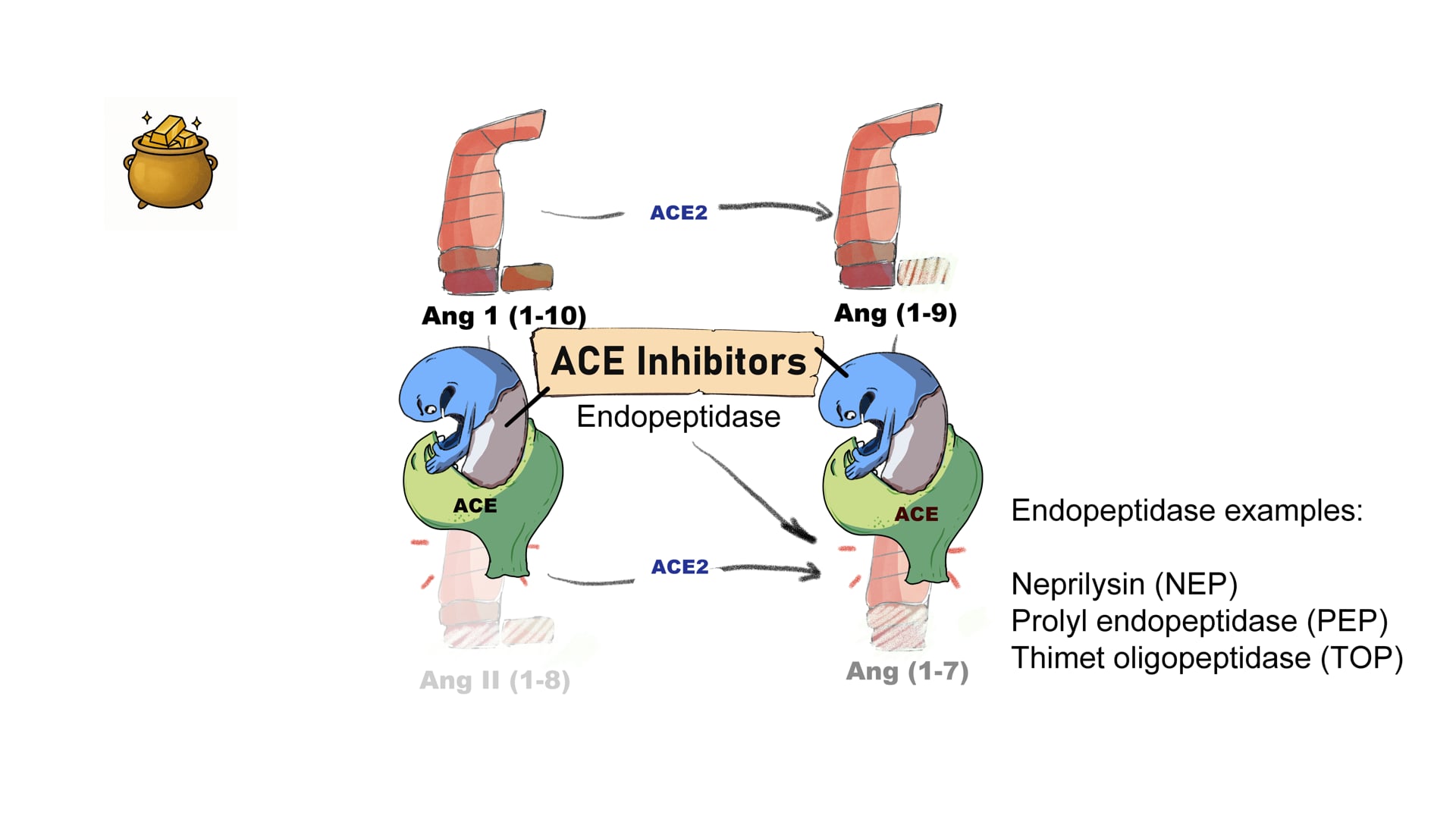
In this lecture, we will explore the adverse effects associated with ACE inhibitors, including their underlying mechanisms and at-risk populations. While ACEIs are generally well tolerated and even metabolically beneficial, they may lead to complications such as hypotension, dry cough, hyperkalemia, acute renal failure, angioedema, fetopathic effects, and rare hematologic or taste-related disturbances. Understanding the pathogenesis and clinical context of these adverse effects is essential for risk mitigation and therapeutic decision-making.


Learning Objectives
By the end of this session, participants will be able to:
Explain the mechanisms behind common ACEI adverse effects such as hypotension, cough, hyperkalemia, and acute kidney injury.
Identify clinical risk factors that increase susceptibility to ACE inhibitor complications (e.g., renal stenosis, diabetes, polypharmacy, pregnancy).
Discuss the management strategies, including when to reduce dose, discontinue therapy, or switch to ARBs.
Recognize rare but serious effects, including angioedema, fetopathy, rash, dysgeusia, neutropenia.
Counsel patients on safety, particularly women of childbearing potential and those with renal, cardiovascular, or immunologic vulnerabilities.

Learning Objectives
By the end of this session, participants will be able to:
Explain the mechanisms behind common ACEI adverse effects such as hypotension, cough, hyperkalemia, and acute kidney injury.
Identify clinical risk factors that increase susceptibility to ACE inhibitor complications (e.g., renal stenosis, diabetes, polypharmacy, pregnancy).
Discuss the management strategies, including when to reduce dose, discontinue therapy, or switch to ARBs.
Recognize rare but serious effects, including angioedema, fetopathy, rash, dysgeusia, neutropenia.
Counsel patients on safety, particularly women of childbearing potential and those with renal, cardiovascular, or immunologic vulnerabilities.

Following answers are created by ChatGPT. Occasionally the answer may be harmful, incorrect, false, misleading, incomplete, or limited in knowledge of world. Please contact your doctor for all healthcare decisions. Also, double check the answer provided by the AI below.

Faculty

In addition to the presenter, following authors may have helped with the content writing, review, or approval:

CME, CE, CEU and Other Credit Types:

ACCME Accreditation Statement
The DrBeen Corp is accredited by the Accreditation Council for Continuing Medical Education (ACCME) to provide continuing medical education for physicians.

AMA Credit Designation Statement
The DrBeen Corp designates this enduring material for a maximum of 1 AMA PRA Category 1 Credits™. Physicians should claim only the credit commensurate with the extent of their participation in the activity.


Disclosure Information

In accordance with the disclosure policies of DrBeen Corp and the ACCME (Accreditation Council for Continuing Medical Education), we are committed to upholding principles of balance, independence, objectivity, and scientific rigor in all of our Continuing Medical Education (CME) and Continuing Education (CE) activities. These policies include the careful management and mitigation of any relevant financial relationships with organizations that are not eligible.
All members of the Activity Planning Committee and presenters have disclosed their relevant financial relationships. The DrBeen Corp CE Committee has thoroughly reviewed these disclosures and determined that these relationships are not deemed inappropriate in the context of their respective presentations. Additionally, they are found to be consistent with the educational objectives and the integrity of the activity.

Faculty Disclosures

Please login to access this content.

Don't have an account?

See Plans

Instructors

Newly Published and Trending Videos

Related Videos